

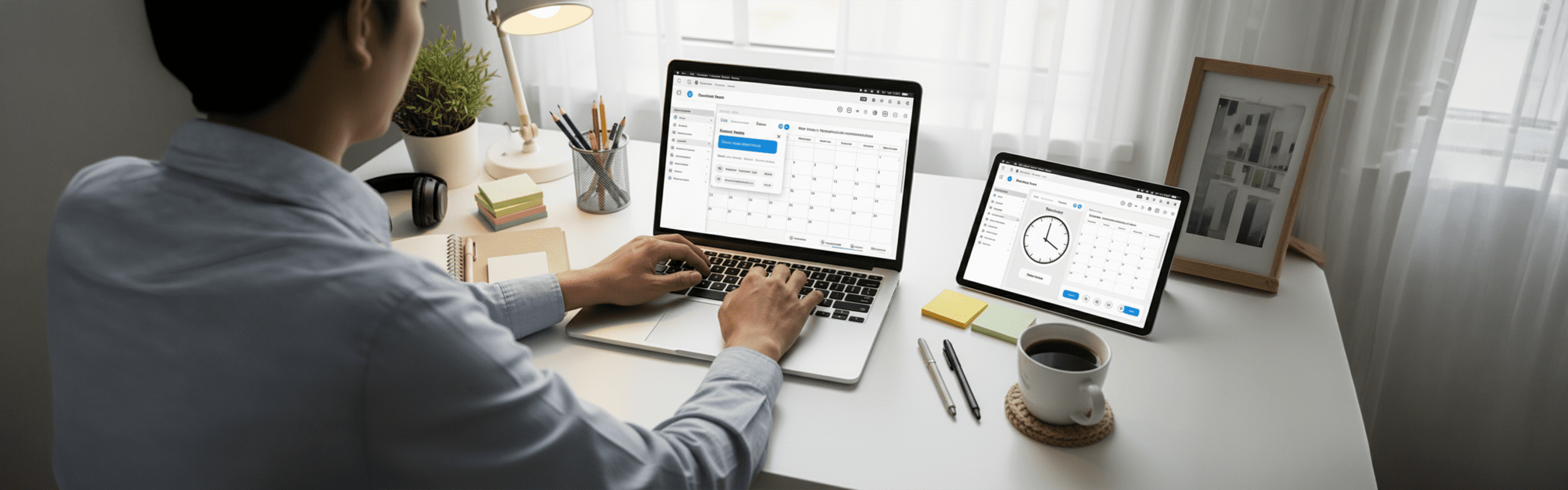
Working from home is no longer just a temporary solution, it has become a long-term reality for many professionals. Whether you’re freelancing, running a business, or working remotely full-time, your home office plays a major role in how you think, feel, and perform every day. A well-designed workspace doesn’t just help you get things done; it can improve your mood, increase focus, and even shape your overall work-life balance.
The truth is, productivity isn’t only about discipline or time management. Your environment has a powerful influence on your energy levels, creativity, and motivation. That’s why setting up your home office the right way can make a noticeable difference in your daily routine.
Start with Purpose, Not Just Space
Many people make the mistake of setting up a home office wherever there’s extra room on the dining table, a corner of the living room, or even the bed. While this might work temporarily, it often leads to distractions and reduced productivity over time.
Instead, think of your workspace as a dedicated zone with a clear purpose. Even if you don’t have a separate room, defining a specific area for work helps your brain switch into “work mode.” This mental separation is essential, especially when your home is also your office.
The goal is not to have a large space, but a consistent and intentional one.
Lighting: The Hidden Productivity Booster
Lighting is one of the most overlooked elements in home office design, yet it has a direct impact on your focus and mood. Natural light is ideal because it reduces eye strain, improves alertness, and creates a more positive atmosphere.
Position your desk near a window if possible. If natural light is limited, invest in warm, soft lighting that mimics daylight. Avoid harsh overhead lights that can cause fatigue, especially during long working hours.
Good lighting doesn’t just help you see better it helps you feel better while working.
Comfort That Supports You, Not Distracts You
Your chair and desk setup can either support your productivity or slowly drain your energy. Sitting for long hours in an uncomfortable position can lead to back pain, poor posture, and reduced concentration.
Choose a chair that supports your back properly and a desk that fits your height. Your screen should be at eye level, and your arms should rest comfortably while typing. Small adjustments in ergonomics can significantly improve how you feel throughout the day.
Comfort is not a luxury, it’s a necessity for consistent performance.
Declutter Your Space, Clear Your Mind
A cluttered workspace often leads to a cluttered mind. When your desk is filled with unnecessary items, it becomes harder to focus and easier to feel overwhelmed.
Keep only the essentials within reach. Organize your cables, use simple storage solutions, and create a clean, minimal setup. This doesn’t mean your space has to be empty, but it should feel intentional and balanced.
A clean workspace creates mental clarity, helping you stay focused on what truly matters.
Add Personality Without Distraction
Your home office should reflect who you are. Adding personal touches can make the space more inviting and motivating, but the key is balance.
This could be a small plant, a piece of artwork, a favorite quote, or even a carefully chosen color palette. These elements can boost your mood and make your workspace feel less like an obligation and more like a place you enjoy being in.
The goal is to create a space that inspires you without overwhelming your focus.
Control Noise and Distractions
Working from home often comes with background noise whether it’s traffic, family members, or daily household activity. Managing these distractions is essential for maintaining productivity.
Noise-canceling headphones, soft background music, or even simple adjustments like closing the door can make a big difference. If your environment is consistently noisy, consider creating a routine that aligns your work hours with quieter periods of the day.
A calm environment allows for deeper focus and more efficient work.
Create a Routine Through Your Space
Your home office isn’t just a physical setup, it’s part of your daily routine. Sitting at the same desk, at the same time, creates a sense of structure that helps your brain transition into work mode more easily.
This is especially important when working remotely, where the line between personal and professional life can easily blur. A consistent workspace reinforces boundaries, helping you stay productive during work hours and disconnect when the day is over.
Think Beyond Function: Design for Mood
Productivity and mood are closely connected. A dull, uncomfortable workspace can drain your energy, while a well-designed one can motivate you to do your best work.
Colors, textures, and layout all play a role. Soft, neutral tones can create a calming effect, while brighter accents can add energy. Natural elements like plants or wood textures can make the space feel more relaxing and balanced.
Your workspace should not only help you work better, it should make you feel better.
Upgrade as You Grow
Your home office should evolve with your needs. As your work changes, your setup should adapt too. Maybe you need more storage, better lighting, or a larger desk. Paying attention to what works and what doesn’t helps you continuously improve your space.
Small upgrades over time can have a big impact on your overall productivity and comfort.
Final Thoughts
A home office is more than just a place to work; it’s a space that influences how you think, feel, and perform every day. By creating a setup that supports your comfort, reflects your personality, and minimizes distractions, you can transform your work-from-home experience completely.
The best home office isn’t the most expensive or the most stylish, it’s the one designed your way, built around your habits, your goals, and your lifestyle. When your space works for you, productivity and motivation naturally follow.
Read Next