



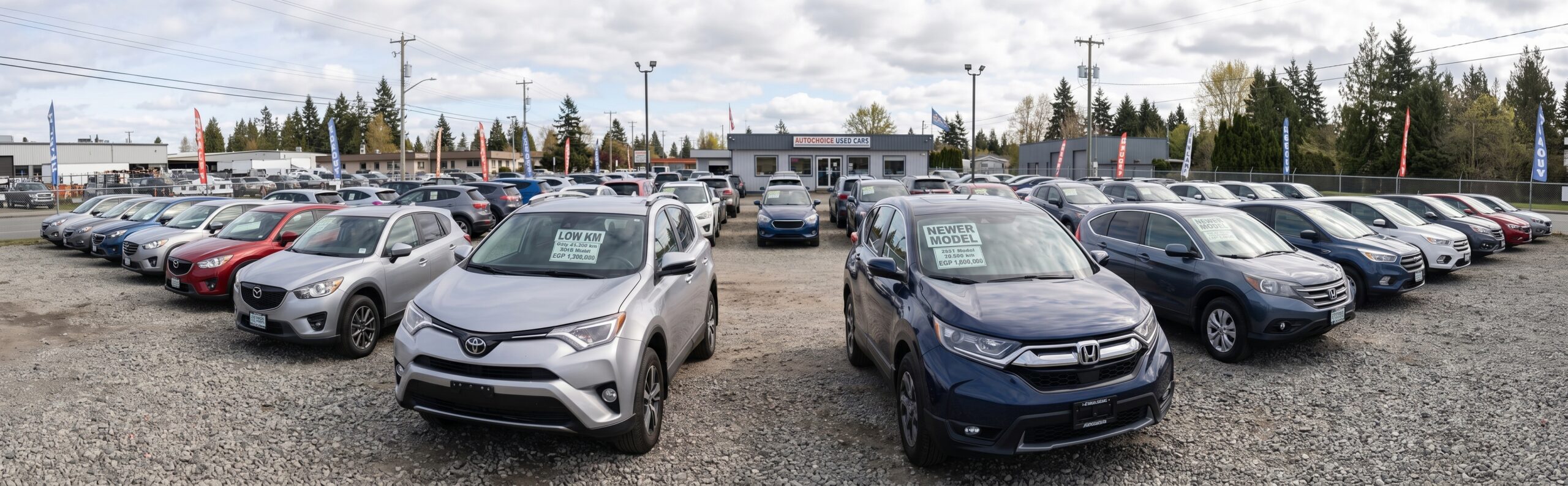
When shopping for a used car, two numbers usually grab your attention first: the model year and the mileage.
A newer car with 80,000 km may sit next to an older car with only 40,000 km, and suddenly the decision isn’t so simple.
So which matters more: low mileage or a newer model?
The answer is that neither number should be considered on its own. A car’s age and mileage need to be looked at alongside its maintenance history, condition, previous use, accident history, and the technology and safety equipment that came with its model year.
In other words, 40,000 km doesn’t automatically make an older car a better buy than a newer car with 80,000 km.
Low Mileage vs Newer Model Used Car: What’s More Important?
Mileage tells you how much a car has been driven. Age tells you how long the car has been on the road.
Both can affect wear, maintenance requirements, technology, and resale value.
| Factor | Low-Mileage Older Car | Newer Higher-Mileage Car |
| Mileage | Lower | Higher |
| Model year | Older | Newer |
| Wear from driving | Potentially lower | Potentially higher |
| Age-related wear | Potentially higher | Potentially lower |
| Safety technology | May be older | More likely to have newer systems |
| Maintenance history | Very important | Very important |
| Condition | Depends on use and storage | Depends on use and maintenance |
| Best indicator of value | Overall condition + history | Overall condition + history |
Consumer Reports notes that there is no strict rule for whether age or mileage matters more. It recommends examining the vehicle itself and checking maintenance, repair, and history records for inconsistencies.
Mileage vs Age: What Does Each Number Tell You?
What mileage tells you
Mileage gives you an indication of how much the car has been driven.
A higher-mileage vehicle may have experienced more:
- Engine operation
- Transmission use
- Brake wear
- Suspension wear
- Tire wear
- Interior use
- General mechanical wear
But mileage doesn’t tell you how those kilometres were accumulated.
A car that spent most of its life on highways may experience a different type of wear from a car that was driven through heavy stop-and-go traffic every day.
Consumer Reports makes a similar point: mileage alone doesn’t tell the entire story, and a high-mileage car used mainly for long highway journeys can potentially have less wear than a lower-mileage vehicle used for frequent short trips.
What age tells you
Age brings a different set of considerations.
Even a car that hasn’t been driven much can experience age-related deterioration in components such as:
- Tires
- Rubber seals
- Hoses
- Suspension components
- Belts
- Battery
- Fluids
- Interior materials
Age can also mean older safety and technology equipment.
A newer model year may offer improvements such as newer infotainment systems, better driver-assistance technology, updated safety equipment, or more efficient powertrains.
Is an Older Car With Low Mileage Worth It?
It can be.
An older car with genuinely low mileage and excellent maintenance history can be an attractive used-car option.
But low mileage should never be the only reason to buy it.
Imagine two cars:
Car A: 2019 model, 45,000 km, incomplete service history.
Car B: 2022 model, 75,000 km, complete maintenance records and regular servicing.
The 2019 car has fewer kilometres, but the 2022 car has a more documented history and a newer platform.
That doesn’t automatically make either car the better purchase. It means you need to investigate what happened during those kilometres.
Why Can a Low-Mileage Car Still Need Attention?
A car can accumulate very little mileage while spending long periods parked.
That doesn’t mean it is automatically in perfect condition.
Check:
- How often it was serviced
- Whether fluids were changed regularly
- Tire age and condition
- Battery condition
- Brake condition
- Rubber components
- Air-conditioning performance
- Signs of long-term storage
- Accident or repair history
Consumer Reports also recommends being cautious when mileage appears unusually low for a vehicle’s age and investigating why.
Newer Car With High Mileage or Older Car With Low Mileage?
This is one of the most common used-car dilemmas.
Let’s compare the two situations.
Option 1: Newer car with higher mileage
Potential advantages:
- Newer safety technology
- Newer interior and electronics
- More recent vehicle platform
- Potentially fewer age-related issues
- More remaining relevance in the used market
Potential concerns:
- Greater mechanical wear
- Higher mileage on engine and transmission
- Potentially more frequent maintenance
- Possible heavy commercial or highway use
Option 2: Older car with lower mileage
Potential advantages:
- Less distance travelled
- Potentially less mechanical wear
- Lower mileage can help resale appeal
- Could have had lighter usage
Potential concerns:
- Age-related deterioration
- Older safety technology
- Older electronics
- Potentially more limited features
- Mileage may not accurately reflect the vehicle’s history
This is why the question shouldn’t simply be “Which has fewer kilometres?”
Instead ask:
“Which car has the better combination of age, mileage, maintenance and condition?”
How Many Km Is Good for a Used Car?
There is no universal mileage number that automatically makes a used car good or bad.
However, you can use mileage as one part of the overall assessment.
A simple way to evaluate a used car is to calculate its average kilometres per year.
Example
Suppose a 2022 car has 60,000 km.
If you are viewing it in 2026:
60,000 ÷ 4 years = 15,000 km per year
Now compare that with a 2018 car showing 50,000 km:
50,000 ÷ 8 years = 6,250 km per year
The second car has significantly lower average annual mileage.
But that doesn’t automatically mean it is the better vehicle.
You still need to investigate why the mileage is low and whether the car was properly maintained.
How to Check If an Odometer Is Tampered
A low number on the odometer is useful only if you can trust it.
Odometer tampering can make a vehicle appear less driven than it actually is, which can affect its value and hide the amount of wear it has experienced.
There isn’t always one obvious sign, so look for inconsistencies between the displayed mileage and the car’s history.
1. Check the Service Records
Maintenance invoices and service records can provide mileage readings from different points in the vehicle’s life.
For example:
- 2023 service: 60,000 km
- 2024 service: 72,000 km
- Current odometer: 55,000 km
That would be an obvious reason to investigate further.
Maintenance records are particularly useful because they can show both the date and mileage when work was performed.
2. Inspect the Interior
Look at components that receive frequent physical use:
- Steering wheel
- Gear selector
- Pedals
- Driver’s seat
- Door handles
- Window switches
- Buttons
Heavy wear combined with an unusually low odometer reading can be a warning sign.
It doesn’t prove tampering by itself, but it deserves further investigation.
NHTSA recommends comparing the odometer reading with the vehicle’s overall wear, including the pedals, and looking for inconsistencies.
3. Check the Tires
Tires can provide another clue.
Look at:
- Tire age
- Tread depth
- Replacement history
- Whether all four tires match
- Signs of uneven wear
A very low-mileage vehicle with unexpectedly worn or recently replaced tires deserves additional questions. NHTSA and Consumer Reports both recommend using tire condition as one of several clues when assessing mileage.
4. Compare Different Records
Don’t rely on the dashboard alone.
Compare the displayed mileage with:
- Service invoices
- Inspection records
- Previous maintenance stickers
- Warranty records
- Vehicle history information
- Any other documented mileage readings
The goal is to see whether the numbers form a consistent timeline.
5. Get a Professional Inspection
If you are seriously considering the car, have it inspected by a qualified mechanic before buying.
A professional inspection can uncover mechanical wear, previous repairs, accident damage, and other problems that aren’t obvious from the odometer.
Consumer Reports recommends having a used car professionally inspected before purchase.
Does Low Mileage Always Mean Less Wear?
No.
This is one of the biggest mistakes buyers make when comparing used cars.
Consider two vehicles with similar ages:
Car A: 50,000 km mostly on highways.
Car B: 35,000 km of short urban trips and heavy traffic.
Car B has fewer kilometres, but its usage may have involved considerably more frequent stopping, starting, idling and short journeys.
Mileage is therefore a measurement of distance, not a complete measurement of wear.
The same principle applies to maintenance.
A higher-mileage car with consistent servicing may be easier to assess than a low-mileage car with missing records.
What Matters More: Mileage, Age or Condition?
If you had to simplify the buying process, think of it as three layers:
1. Condition
Start with the actual condition of the vehicle.
Check:
- Engine
- Transmission
- Suspension
- Brakes
- Tires
- Body
- Interior
- Electronics
- Air conditioning
2. Maintenance History
Next, find out whether the vehicle was maintained properly.
Look for:
- Regular service
- Oil changes
- Replacement parts
- Major repairs
- Service invoices
- Consistent mileage records
3. Age and Mileage
Only after considering the first two should you use age and mileage to compare similar cars.
This approach is more useful than automatically choosing the car with the lowest odometer reading.
When Should You Choose a New Car?
A newer car may make more sense when:
- The mileage difference is not huge.
- It has significantly newer safety technology.
- It has better documented maintenance.
- The older car shows age-related deterioration.
- The newer model has meaningful improvements.
- Both cars are similarly priced.
Consumer Reports notes that newer vehicles can bring advances in safety and fuel economy, including technologies such as electronic stability control, backup cameras, forward collision warning, and automatic emergency braking.
When Should You Choose the Lower-Mileage Car?
A lower-mileage older car can make sense when:
- Its mileage can be verified.
- It has complete service records.
- It has been properly maintained.
- Its condition reflects the displayed mileage.
- It has no significant age-related deterioration.
- It offers the features and safety equipment you need.
- Its price reflects its age.
In other words, low mileage is most valuable when you can prove that it is genuine and the car has been properly maintained.
Low Mileage vs Newer Model: A Quick Decision Guide
| Situation | What to investigate |
| Older + very low mileage | Verify mileage and check for age-related wear |
| Newer + higher mileage | Check maintenance and type of usage |
| Low mileage + poor condition | Don’t assume the mileage tells the full story |
| High mileage + excellent records | Investigate upcoming maintenance costs |
| Newer + similar mileage | Compare safety, features and condition |
| Two similar cars | Let maintenance history and condition break the tie |
Final Thoughts
When comparing low mileage vs newer model used cars, there isn’t a magic number of kilometres or a specific model year that guarantees a better purchase.
A 10-year-old car with 50,000 km isn’t automatically a better choice than a five-year-old car with 90,000 km.
The smarter approach is to look at the complete picture:
Age + mileage + maintenance history + condition + usage + price
If the mileage is unusually low, verify it. If the car is newer but has high mileage, investigate how those kilometres were accumulated. And regardless of the odometer reading, have the vehicle properly inspected before buying.
Looking for a used car in Egypt? Browse listings on dubizzle, compare model years and mileage, and look beyond the odometer to find a car that matches your budget and requirements.


