

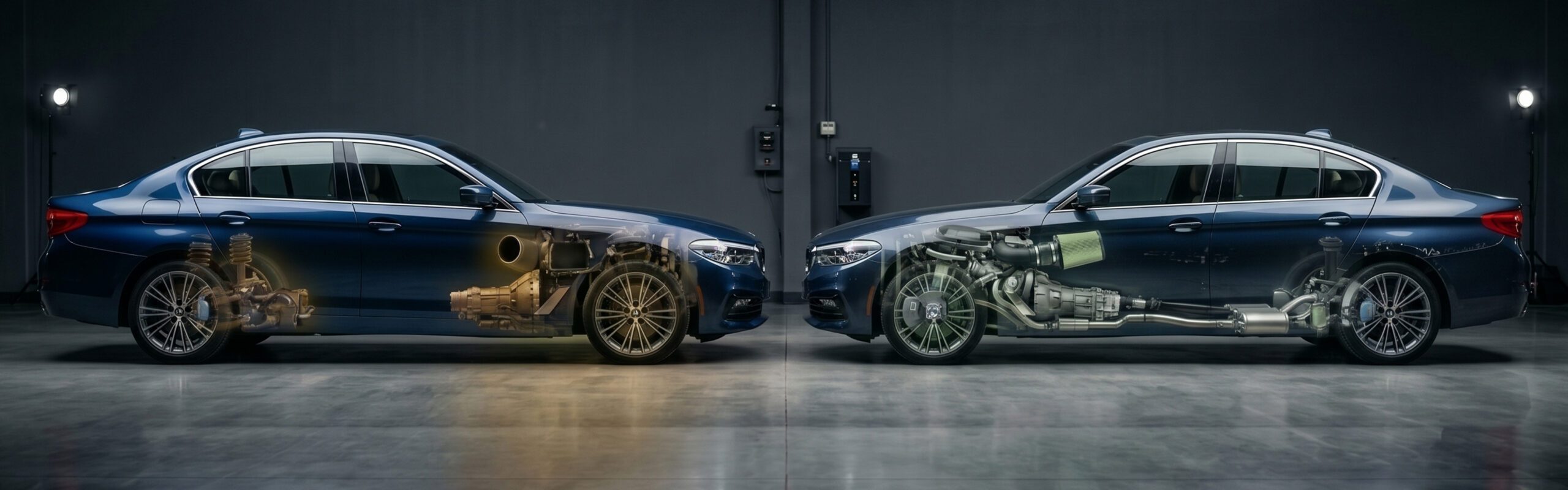
When people start looking for a used car, one of the first comparisons they make is almost automatic: mileage versus condition. A lower mileage number often feels safer, while higher mileage can raise doubts instantly. But in real-world buying decisions, the answer is not as straightforward as it seems.
A car is not defined by a single number on the dashboard. It is defined by how it was driven, maintained, and treated over time. And that’s where the real difference between mileage and condition starts to matter.
Why Mileage Feels Like the “Safe” Choice
Mileage is easy to understand. It is a clear, measurable number. Lower mileage usually suggests less use, less wear, and a longer remaining lifespan.
This simplicity is why many buyers prioritize it. A car with 40,000 km feels automatically better than one with 120,000 km, even before checking anything else.
But mileage alone doesn’t tell the full story. It only shows distance, not how that distance was covered.
The Hidden Reality Behind Mileage Numbers
Not all kilometers are equal.
A car driven mostly on highways behaves very differently from one used in heavy city traffic. Long highway trips are generally smoother on the engine, brakes, and transmission. In contrast, constant stop-and-go driving puts more stress on mechanical parts, even if the total mileage is lower.
So a low-mileage car that was used harshly can sometimes be in worse shape than a higher-mileage car that was driven gently and consistently maintained.
Condition: The Story the Car Actually Tells
Condition reflects how the car has been cared for over time. It includes the engine performance, suspension quality, interior wear, service history, and even small details like unusual noises or vibrations.
A well-maintained car tells a consistent story: regular oil changes, timely repairs, and responsible usage. These habits often matter more than how far the car has traveled.
In many cases, condition reveals discipline. And discipline in maintenance often translates into longer vehicle life.
Maintenance History Is the Real Indicator
One of the strongest predictors of a car’s reliability is its service history.
A higher-mileage car with full maintenance records can often be more reliable than a lower-mileage car with unclear or irregular servicing.
Oil changes, brake replacements, tire rotations, and timely inspections all add up. They show that the car was not just used, but cared for.
Without this history, mileage becomes less meaningful, because you cannot see how the car was treated over time.
Interior and Exterior Condition Matter More Than They Seem
A car’s appearance often reflects its usage patterns.
A worn steering wheel, faded buttons, or damaged seats can suggest heavy or careless use, even if mileage is low. On the other hand, a clean, well-preserved interior often indicates careful ownership.
The exterior also tells a story. Paint condition, scratches, and panel alignment can hint at past accidents or poor maintenance.
These visual cues often reveal more than the odometer ever will.
Mechanical Condition Is the Real Deal Breaker
At the core of any car decision is mechanical health.
Engine performance, transmission smoothness, braking response, and suspension stability are far more important than mileage alone.
A car with higher mileage but strong mechanical performance can still deliver years of reliable use. Meanwhile, a low-mileage car with hidden mechanical issues can become expensive very quickly.
This is why inspections matter. They shift focus from assumptions to actual condition.
Driving Style Changes Everything
Two cars with the same mileage can have completely different conditions depending on how they were driven.
Aggressive driving, frequent hard braking, and poor road conditions can wear down a car faster than gentle, steady usage. Even short trips with frequent engine starts can increase long-term stress.
So it is not just how much the car was driven, but how it was driven that matters.
When Low Mileage Can Be Misleading
Low mileage is not always a guarantee of quality.
A car that has been sitting unused for long periods can develop its own set of problems. Fluids can degrade, rubber parts can dry out, and the battery can weaken over time.
In some cases, inactivity can be just as harmful as heavy usage.
This is why “low mileage = better condition” is not always a safe assumption.
When High Mileage Can Be a Positive Sign
High mileage often creates hesitation, but it can also indicate something positive: consistent usage.
A car that has been driven regularly and maintained properly often stays in better mechanical condition than one that has been neglected.
It also means many of the early manufacturing issues, if any, have already surfaced and been resolved.
With proper care, modern cars are designed to handle high mileage effectively.
The Balance Between Mileage and Condition
The smartest approach is not choosing one over the other, but balancing both.
Mileage gives you context. Condition tells you reality.
A well-informed decision looks at both together:
A car with moderate mileage and excellent condition is often ideal.
A low-mileage car with poor condition is a warning sign.
A high-mileage car with strong condition can still be a smart purchase.
It is the combination that matters, not the number alone.
Why Buyers Are Shifting Their Focus
Modern car buyers are becoming more aware that numbers alone are not enough.
Access to inspections, reports, and detailed listings has changed how people evaluate used cars. Buyers now look deeper into history, maintenance, and real-world condition instead of relying only on mileage.
This shift leads to better decisions and fewer surprises after purchase.
Final Thoughts
Mileage is easy to see, but condition is what you live with.
A car is not defined by how far it has traveled, but by how well it has been maintained throughout that journey. Mileage gives you a clue, but condition gives you the truth.
The best buying decisions come when both are evaluated together, with equal attention but different purpose.
Because in the end, a car doesn’t just need to have fewer kilometers, it needs to feel right, drive well, and stay reliable long after the purchase.


